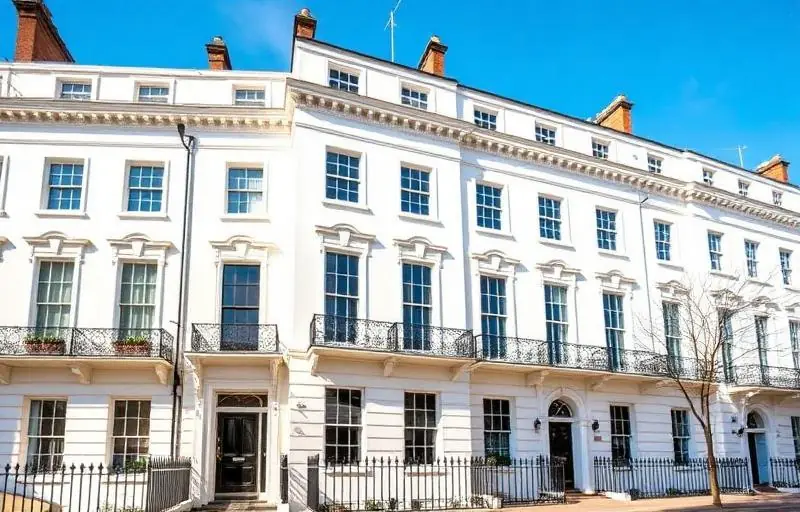
Owning a property in Central or South London is more than just a financial investment; it is a stewardship of architectural history. From the stucco-fronted townhouses of Belgravia to the Victorian terraces of Greenwich, London’s aesthetics are protected by a rigorous set of regulations known as Conservation Area status. While these designations ensure that our neighbourhoods retain their timeless charm and property value, they add a significant layer of complexity when it's time to renovate, extend, or improve your home.
Navigating the intersection of modern luxury and historical preservation requires a delicate touch. Whether you are planning a loft conversion in Kensington or replacing the sash windows of a Mayfair apartment, the question isn't just "What can I build?" but "How does this respect the character of the area?" Failing to understand the nuances of planning permission in these zones can lead to costly delays, enforcement notices, and even criminal charges.
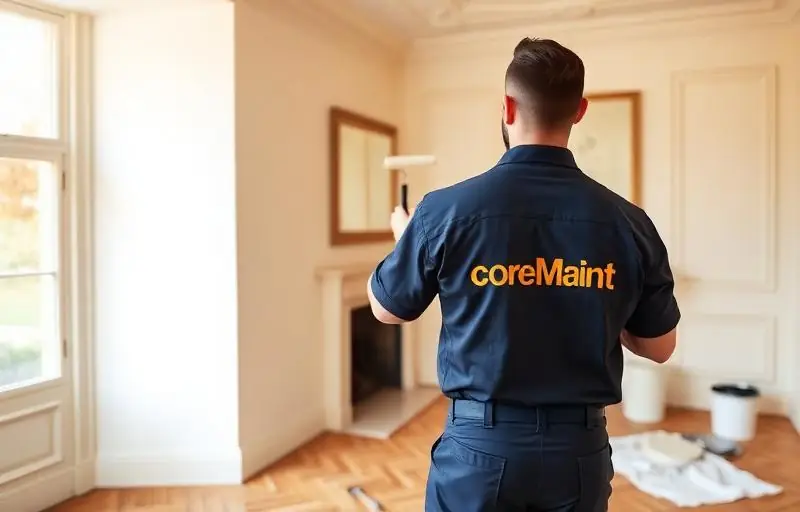
At coreMaint, we specialise in maintaining and improving premium properties across London’s most prestigious postcodes. We understand that for homeowners in areas like Chelsea and Knightsbridge, the goal is to enhance comfort without compromising heritage. This guide will walk you through everything you need to know about planning permission for home improvements in conservation areas, ensuring your project is compliant, seamless, and successful.
Understanding Conservation Areas in London
A conservation area is an area of "special architectural or historic interest, the character or appearance of which it is desirable to preserve or enhance." Under the Planning (Listed Buildings and Conservation Areas) Act 1990, local authorities are given extra powers to control works that might normally be considered "permitted development."
In London, the density of these areas is remarkably high. For instance, approximately 70% of the Royal Borough of Kensington and Chelsea is covered by conservation areas. This means that standard rights to improve your home are often restricted or removed entirely.
Article 4 Directions
The most common tool used by councils in South and Central London is the "Article 4 Direction." This legislation allows local authorities to withdraw specific permitted development rights. In a regular street, you might be able to change your front door or paint your exterior without permission. In a conservation area covered by an Article 4 Direction, even these minor changes could require formal planning consent.
When Do You Need Planning Permission?
In a standard residential zone, many internal and external works fall under Permitted Development (PD). However, in conservation areas, the threshold for what requires permission is much lower.
External Alterations and Extensions
If you are planning to extend your property, the rules are stringent. In areas like Greenwich or Mayfair, the following usually require full planning permission:
- Side Extensions: Almost always require permission.
- Two-Storey Rear Extensions: Often restricted to ensure they don't dominate the original building.
- Cladding: Using materials like stone, artificial stone, timber, plastic, or tiles on the exterior walls is generally prohibited without consent.
- Roof Alterations: Adding a dormer window or changing the shape of your roof is highly regulated to maintain the "roofscape" of the street.
Windows and Doors
Windows are often the most contentious point of contention in London home improvements. Original timber sash windows are a hallmark of Chelsea and Kensington architecture. Replacing them with uPVC is almost universally rejected. If you wish to install double glazing, you must ensure the profile of the frames matches the originals exactly.
Demolition
You generally need "Relevant Demolition Houses in Conservation Areas" consent to demolish a building with a volume of more than 115 cubic metres. Even removing a gate, wall, or fence over one metre high (if it faces a highway) typically requires permission.
If you are unsure whether your planned project fits these criteria, it is always best to Contact Us for expert advice before you begin.
Essential Tips for a Successful Application
Securing planning permission in high-value London boroughs requires more than just a set of drawings. It requires a narrative that proves your project adds value to the community’s heritage.
1. Research the Character Appraisal
Every conservation area has a "Character Appraisal" document published by the local council (e.g., Westminster or Wandsworth). This document outlines what the council values most about your specific street—be it the uniform height of the chimneys or the specific type of brickwork used. Aligning your application with this document significantly increases your chances of approval.
2. Prioritize Traditional Materials
In South London's historic pockets, "like-for-like" is the gold standard. If your property originally used London stock brick and lime mortar, your extension should too. Using reclaimed materials or high-quality replicas shows the planning officer that you are committed to the building’s integrity.
3. Hire Professionals with Local Experience
Local knowledge is invaluable. A firm that understands the specific preferences of Chelsea planning officers will approach a project differently than one unfamiliar with the area. At coreMaint, we work alongside skilled craftsmen and consultants who understand the expectations of London’s most demanding planning departments. Get a Free Quote for your project today to see how we can help.
4. Consult Your Neighbours
In densely populated areas like Knightsbridge and Mayfair, objections from neighbours are a common reason for planning delays. Sharing your plans early and making small adjustments to protect their light or privacy can prevent a lengthy appeals process.
The Risks of Non-Compliance
It can be tempting to proceed with minor works without seeking permission, especially if the changes are at the rear of the property. However, the risks far outweigh the benefits.
- Enforcement Notices: If the council discovers unauthorized work, they can issue an enforcement notice requiring you to revert the property to its original state at your own expense.
- Difficulty Selling: When you sell a premium property in Central London, the buyer’s solicitor will scrutinize all planning permissions. Lack of consent can stall a sale or lead to a significant reduction in the asking price.
- Criminal Record: In extreme cases, particularly involving listed buildings within conservation areas, carrying out unauthorized work can result in a criminal conviction.
Modern Upgrades in a Historic Context
One of the biggest challenges for London homeowners is improving energy efficiency in older homes. While conservation rules are strict, councils are becoming increasingly open to sustainable upgrades, provided they are sensitive.
Solar Panels and Heat Pumps
In many Central London conservation areas, solar panels are permitted as long as they are not visible from the highway (e.g., on a flat roof or a hidden rear slope). Air source heat pumps also require careful placement to minimize visual and noise impact on the neighbourhood.
Retrofitting Insulation
Internal wall insulation and high-performance slimline double glazing are becoming more acceptable. The key is ensuring that the "breathability" of the historic structure is maintained to prevent dampness—a common issue in London’s older building stock.
Why Choose coreMaint for Your London Property?
Navigating the complexities of planning permission and high-end property maintenance requires a partner who understands the unique landscape of London’s premium boroughs. At coreMaint, we bridge the gap between ambitious home improvements and the strict requirements of conservation area status.
Our services include:
- Expert Consultation: Helping you understand what is possible within your local planning framework.
- Premium Craftsmanship: Using traditional techniques and materials that satisfy conservation requirements.
- End-to-End Maintenance: Ensuring your South or Central London home remains in peak condition, from roof repairs to bespoke interior refurbishments.
Whether you are in the early stages of planning a renovation in Kensington or need professional maintenance for a historic estate in Mayfair, our team is here to ensure your property remains a jewel in London’s architectural crown.
Ready to start your home improvement journey? Don't leave your property’s heritage to chance. Contact Us today to discuss your vision, or Get a Free Quote for our premium maintenance and renovation services. Together, we can enhance your home while preserving the history that makes London extraordinary.