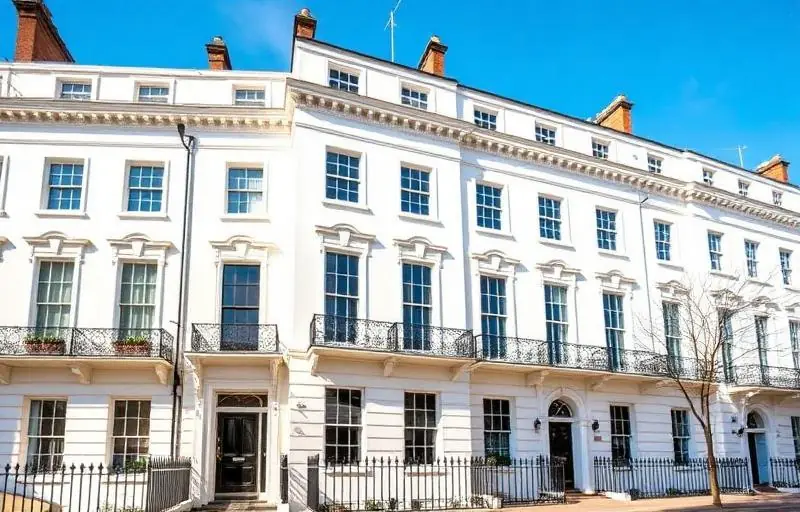
In the architectural heart of Central London—from the stucco-fronted terraces of Kensington to the historic dwellings of Greenwich—basements represent some of the most valuable square footage in the world. However, the very nature of London’s subterranean spaces makes them uniquely susceptible to one of the most persistent property issues: dampness and mould. In a city where Victorian heritage meets modern luxury, maintaining a healthy, dry basement isn't just about aesthetics; it is about preserving the structural integrity and the market value of your home.
The London environment presents a "perfect storm" for dampness. Between the heavy clay soils that retain moisture and the high humidity levels typical of the UK climate, basement walls are under constant hydrostatic pressure. Without a proactive approach to maintenance and prevention, these spaces can quickly succumb to musty odours, crumbling plaster, and the health risks associated with black mould (Stachybotrys chartarum).
At coreMaint, we specialise in the premium upkeep of properties across Mayfair, Knightsbridge, and Chelsea. We understand that a basement in a Grade II listed building requires a different approach than a modern conversion. This guide provides a deep dive into the science of damp prevention, offering actionable advice to keep your London basement pristine, dry, and healthy.
Understanding the Root Causes of Basement Damp in London
Before jumping into solutions, it is vital to understand why London basements are particularly vulnerable. Most issues stem from three primary sources: penetration, rising damp, and condensation.
Hydrostatic Pressure and Penetrating Damp
Much of London, particularly South London areas like Greenwich, sits on London Clay. This soil type is highly impermeable, meaning water does not drain away quickly after a heavy downpour. Instead, it pools against basement foundations, creating hydrostatic pressure. This pressure forces liquid water through microscopic cracks in the masonry, leading to "penetrating damp."
The "Cold Bridge" and Condensation
In many high-end London renovations, basements are transformed into cinemas, gyms, or wine cellars. These activities generate moisture. Because subterranean walls are naturally cooler than the interior air, they create a "cold bridge." When warm, moist air hits these cool surfaces, it condenses into water droplets—the primary fuel for mould growth.
Rising Damp
While less common in modern builds due to Damp Proof Courses (DPC), many heritage properties in Westminster and Kensington may have compromised DPCs. This allows groundwater to climb up through the capillary action of the bricks, bringing with it ground salts that damage decorative finishes.
Strategies for Damp Prevention and Management
Preventing damp is significantly more cost-effective than remediating a full-scale mould infestation. To protect your investment, consider these professional-grade strategies.
1. Optimize Your Ventilation Strategy
In the confined space of a basement, airflow is your greatest ally. Static air allows moisture to settle and mould spores to colonize.
- Mechanical Ventilation with Heat Recovery (MVHR): For premium properties in Mayfair and Chelsea, we often recommend MVHR systems. These extract stale, humid air and replace it with fresh, filtered air while retaining the heat.
- Pivotal Airflow: Ensure that furniture is not pushed directly against external walls. Leaving a gap of at least 5cm allows air to circulate, preventing "dead zones" where condensation hides.
- Dehumidification: In Central London’s humid summer months, a high-capacity, built-in dehumidifier can maintain humidity levels between the ideal 45% and 55%.
2. Exterior Maintenance and Drainage
Damp prevention often starts outside the property. Water should always be directed away from the foundations.
- Clear the Guttering: Blocked gutters in London’s leafy boroughs can cause water to overflow and saturate the ground next to your basement walls. Regular maintenance is essential.
- Check the Paving: Ensure that patios and lightwells are correctly graded so that rainwater flows toward drains rather than the building.
- Inspect Pipework: A slow leak from an external downpipe or an internal service pipe can saturate a basement wall for months before it becomes visible.
3. Tanking and Membrane Systems
If you are noticing persistent damp, it may be time to upgrade your waterproofing.
- Type C Cavity Drain Membranes: This is the gold standard for London basement maintenance. Rather than trying to "hold back" the water (which often fails), these studded membranes allow water to flow behind them into a concealed drainage channel and a sump pump.
- Cementitious Tanking: This involves applying a waterproof slurry to the walls. While effective in some scenarios, it can be prone to cracking if the building shifts—a common occurrence in London’s clay-based geography.
The Health Implications of Mould Growth
Mould is not just an eyesore; it is a biological hazard. According to the World Health Organization (WHO), occupants of damp or mouldy buildings have up to a 75% increased risk of respiratory symptoms and asthma.
In the luxury rental markets of Knightsbridge and Kensington, the presence of mould can lead to significant legal liabilities and a decrease in property value. Tiny spores released by mould can trigger:
- Allergic reactions (sneezing, red eyes, skin rashes).
- Respiratory issues and wheezing.
- Immune system suppression in vulnerable individuals.
Professional intervention is required if mould covers an area larger than one square metre, as DIY cleaning often fails to address the underlying spores within the substrate.
Practical Tips for Property Owners
If you are a homeowner or property manager in London, follow this checklist to keep damp at bay:
- Monitor Humidity: Invest in a smart hygrometer. If levels consistently exceed 60%, you need to increase ventilation or heating.
- Heating Consistency: Avoid "burst heating" your basement. Maintaining a constant, low level of background heat keeps surface temperatures above the dew point, preventing condensation.
- Wipe Down Surfaces: If you notice "sweating" on windows or pipes in your basement, dry them immediately with a microfiber cloth to prevent mould from taking hold.
- Use Anti-Mould Paints: When redecorating, specify high-quality, breathable anti-mould paints that contain biocides to inhibit fungal growth.
- Audit the Sump Pump: If your basement relies on a sump pump, ensure it is serviced annually. A pump failure during a London storm can lead to catastrophic flooding.
Identifying the Signs Before They Escalate
Knowing how to spot the early warning signs of damp can save you thousands of pounds in restoration costs. Watch for:
- The "Musty" Smell: This is often the first sign, even if no damp is visible. It is the scent of microbial volatile organic compounds (mVOCs).
- Efflorescence: A white, powdery substance on brickwork or plaster. These are salts being pushed out of the wall by moisture.
- Blistering Paint: If your paintwork is bubbling or peeling, moisture is trapped behind the surface.
- Dark Patches: Look at the corners of ceilings and the base of walls for discolouration.
How coreMaint Protects Your London Property
Maintaining a premium property in Central and South London requires a sophisticated approach to building science. At coreMaint, we provide comprehensive property maintenance services tailored to the unique challenges of the London landscape. From routine inspections of lightwells and drainage to the installation of advanced ventilation systems, we ensure your basement remains a healthy, functional, and dry environment.
Our team understands the nuances of Kensington townhouses and Mayfair apartments. We don't just treat the symptoms; we identify and rectify the source of the dampness to provide long-term peace of mind.
To ensure your property remains in peak condition, Contact Us today or Get a Free Quote for a maintenance assessment.
Conclusion
Damp and mould in London basements are common, but they are not inevitable. By understanding the interaction between London’s clay soil, its historic architecture, and modern lifestyle habits, property owners can take decisive action. Through a combination of robust ventilation, external maintenance, and humidity control, you can protect your basement from the subterranean elements.
Don't wait for a small damp patch to become a major structural problem. Whether you are in Chelsea, Greenwich, or the Heart of Westminster, coreMaint is your partner in premium property preservation. Let us help you maintain the high standards your London home deserves.