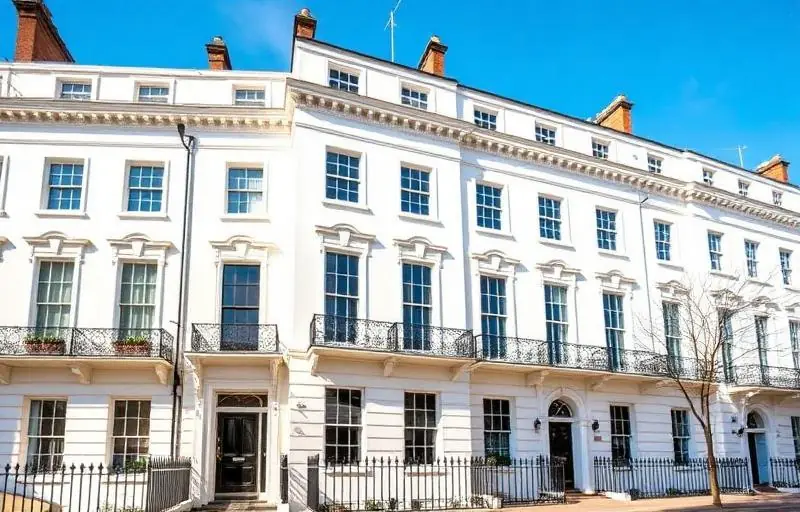
In the leafy boroughs of South London and the prestigious estates of Central London, a silent green invader is causing significant distress for property owners. Japanese knotweed (Reynoutria japonica) has earned a formidable reputation as one of the UK's most invasive plant species. For homeowners in high-value areas like Chelsea, Kensington, and Mayfair, the discovery of this bamboo-like plant isn’t just a gardening nuisance—it is a potential legal and financial nightmare that can devalue a property by up to 10% and stall a mortgage application indefinitely.
Originating from East Asia, this resilient perennial was introduced to Britain by the Victorians as an ornamental plant. However, without its natural predators, it has thrived in the London climate, exploiting the city’s dense infrastructure and railway embankments. Its ability to grow through cracks in concrete, disrupt drainage systems, and compromise boundary walls makes it a primary concern for property maintenance. If you suspect your property is affected, acting quickly is not just recommended; it is essential for protecting your investment.
At coreMaint, we understand that premium property ownership in London comes with the responsibility of meticulous upkeep. Dealing with Japanese knotweed requires more than just a pair of gardening shears; it demands a strategic, long-term management plan that adheres to strict UK environmental regulations. This guide will walk you through everything you need to know about identifying, managing, and eradicating this invasive species from your London home.
Identifying Japanese Knotweed in London Gardens
The first step in any property maintenance strategy is accurate identification. Because Japanese knotweed changes its appearance significantly throughout the year, many London property owners mistake it for harmless shrubs or climbers like Russian Vine or Lilac.
Seasonal Physical Characteristics
- Spring: Look for fleshy, reddish-purple shoots that resemble asparagus spears. They grow rapidly, sometimes up to 10cm per day during the height of the growing season.
- Summer: The plant matures into tall, hollow, bamboo-like canes with distinct purple speckles. The leaves are heart or shield-shaped with a flat base, arranged in a "zig-zag" pattern along the stem.
- Late Summer: Small clusters of creamy-white flowers appear.
- Autumn/Winter: The leaves turn yellow and fall off, leaving behind brittle, brown, straw-like canes. While the plant looks dead, the extensive root system (rhizomes) remains very much alive underground.
The Hidden Danger: The Rhizome System
What you see above ground is only the tip of the iceberg. The real threat lies in the rhizome network, which can extend up to 3 metres deep and 7 metres horizontally. Even a fragment of root as small as a fingernail can regenerate into a brand-new plant. This is why DIY removal in a compact garden in Greenwich or Knightsbridge often fails; digging it up without professional equipment usually results in spreading the infestation further.
The Legal and Financial Implications for London Property Owners
In the competitive London property market, Japanese knotweed is a major "red flag" for surveyors and lenders. If you are planning to sell a property in Central London, you are legally required to disclose the presence of knotweed on the TA6 Property Information Form.
Mortgage Lending and the "7-Metre Rule"
Most major UK lenders traditionally refused mortgages on properties where knotweed was found within 7 metres of the habitable structure. While RICS (Royal Institution of Chartered Surveyors) updated their guidance in 2022 to be more flexible, many lenders still require a professional Management Plan with an insurance-backed guarantee before they will approve a loan. Without this, your property becomes virtually unmortgageable, forcing you to sell to cash buyers at a significant discount.
Legal Risks and Encroachment
Under the Wildlife and Countryside Act 1981, it is not illegal to have Japanese knotweed on your land. However, it is an offence to allow it to spread into the wild. More importantly for residents in densely packed areas like South London, if you allow knotweed to grow into a neighbour's garden, you could be sued for private nuisance. Recent court cases have seen homeowners awarded thousands of pounds in damages for the loss of enjoyment of their land and the cost of remediation.
Professional Treatment and Eradication Strategies
When it comes to Japanese knotweed, the "quick fix" does not exist. Eradication is a multi-year process that requires patience and expertise. At coreMaint, we recommend a bespoke approach based on the specific constraints of your London property.
1. Herbicide Treatment (Stem Injection or Foliar Spray)
This is the most common and cost-effective method for residential properties.
- Foliar Spray: A specialist glyphosate-based herbicide is applied to the leaves. This is effective but carries the risk of "spray drift" affecting other plants in your garden.
- Stem Injection: For high-end gardens in Chelsea or Mayfair where you wish to protect surrounding ornamental plants, stem injection is the gold standard. The herbicide is injected directly into each cane, delivering a concentrated dose to the root system with zero impact on the surrounding landscape.
2. Excavation and On-Site Burial
For developers or homeowners undergoing major renovations in London, waiting 3–5 years for herbicide treatment isn't always an option. Excavation involves digging out the entire root system. In larger estates, the soil can be buried deep on-site (encapsulated in a root-barrier membrane). However, in Central London, space is rarely available for this.
3. Excavation and Off-Site Disposal
This is the fastest way to clear a site but also the most expensive. Because Japanese knotweed is classified as "controlled waste," it cannot be put in your regular garden waste bin. It must be transported by a licensed waste carrier and taken to a designated landfill site. Failing to follow these procedures can result in heavy fines or even criminal prosecution.
Actionable Tips for London Residents
If you suspect you have found Japanese knotweed on your property or a neighbouring plot, follow these steps immediately:
- Do Not Cut or Mow: Cutting the canes stimulates growth and spreading the clippings across your lawn will cause a massive scale infestation.
- Do Not Put in Garden Waste: Never put knotweed in your green bin or take it to a local tip in South London unless they have a specific, licensed facility for it.
- Document the Growth: Take clear photos of the leaves, stems, and the area of the garden affected. This will be invaluable for a professional assessment.
- Check Your Boundaries: If the plant is coming from a neighbouring property or a London Underground embankment, you may have legal recourse to ensure they manage the treatment costs.
- Get a Professional Survey: Only a certified surveyor can provide the documentation required by banks and insurance companies.
If you are concerned about a suspicious plant in your garden, don't wait for it to spread. You can Get a Free Quote from our team to assess the situation.
Why Professional Property Maintenance is Essential
Maintaining a premium London home involves being proactive rather than reactive. Japanese knotweed is a primary example of why "low-cost" gardening services can often lead to "high-cost" long-term problems. A general gardener may inadvertently spread the weed or use sub-par treatments that merely cause the plant to go dormant for a few seasons, only to return more aggressively later.
Working with a dedicated property maintenance company like coreMaint ensures that your property is monitored by experts who understand the local ecology and the specific structural risks associated with London’s historic and modern buildings. Whether it's ensuring your drainage systems are clear of root ingress or managing the aesthetic integrity of your garden, professional oversight is the best insurance policy for your property's value.
Protect Your Investment with coreMaint
The presence of Japanese knotweed in the capital is a serious issue, but it is one that can be managed effectively with the right expertise. At coreMaint, we pride ourselves on providing the highest standard of property maintenance for discerning clients across Chelsea, Greenwich, Kensington, Knightsbridge, and Mayfair.
Our team doesn't just look at the problem; we provide a comprehensive solution that protects your home’s structural integrity and its market value. From identifying the early signs of invasive species to coordinating complex remediation projects, we handle the hard work so you can enjoy the peace of mind that comes with a perfectly maintained London home.
Don't let an invasive species compromise your property. If you have concerns about Japanese knotweed or any other maintenance issue, Contact Us today to speak with one of our specialists.
Ensure your property remains a premium asset. Trust coreMaint for all your Central and South London maintenance needs.