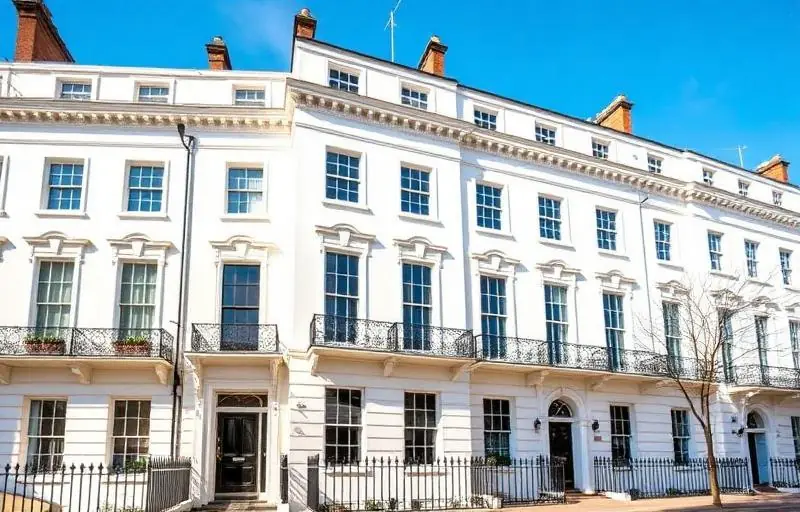
The grandeur of a London period property is often defined by its architectural woodwork. From the dark, imposing oak of a Tudor-style study in Greenwich to the refined, light-filled Georgian panels of a Mayfair townhouse, timber panelling is more than just a wall covering; it is a piece of living history. However, decades—and in some cases, centuries—of central heating, fluctuating humidity, and questionable DIY repairs can leave these magnificent features looking dull, cracked, or obscured by layers of lead-based paint.
Restoring timber panelling in Central and South London requires a delicate balance between historical preservation and modern craftsmanship. As property values in areas like Chelsea and Kensington continue to rise, the demand for authentic restoration has never been higher. Homeowners are moving away from modern minimalism and returning to the warmth and character that original wood features provide. Restoring your panelling doesn't just improve the aesthetics of your home; it significantly enhances the market value and structural integrity of the property.
At coreMaint, we understand that timber is a reactive material. It breathes, expands, and contracts with the London seasons. Restoring it requires a deep understanding of wood species, historical finishes, and the unique challenges posed by London’s period architecture. Whether you are dealing with warped bolection moulding or hidden dry rot, this guide will walk you through the essential steps of timber panelling restoration.
The Importance of Professional Assessment
Before a single scraper touches the wood, a comprehensive assessment is vital. Many period properties in Knightsbridge or Greenwich have undergone multiple "renovations" over the years. What looks like simple wood might be covering structural issues, or conversely, what looks like unsalvageable rot might simply be surface degradation.
Identifying the Wood Species and Age
Understanding whether your panelling is Oak, Pine, Walnut, or Mahogany is crucial for choosing the right restoration method. Georgian properties often used pine (intended to be painted), while earlier Tudor or later Victorian homes favoured dark hardwoods. Using the wrong solvent or sanding technique on a soft wood like pine can cause irreversible damage.
Checking for Structural Integrity
London’s damp climate can be a silent enemy to timber. During our initial inspections, we look for:
- Damp and Rot: Especially in basement levels or walls shared with external masonry.
- Infestation: Clues of woodworm or beetle activity that may require chemical treatment before aesthetic work begins.
- Movement: Checking if the panels are still "floating" within their frames, as they were designed to do to accommodate seasonal changes.
If you are unsure about the condition of your woodwork, you can Contact Us for a professional evaluation.
The Restoration Process: A Step-by-Step Guide
Restoration is a labour-intensive process that cannot be rushed. To achieve a finish worthy of a premium London residence, we follow a rigorous multi-stage approach.
1. Stripping and Cleaning
The most common issue in London period homes is "over-painting." Over a century, fine carvings can become "clogged" with dozens of layers of paint.
- Chemical Stripping: We use non-caustic, pH-neutral strippers that lift paint without scorching the wood fibres.
- Heat Guns: Used sparingly and only by professionals to avoid scorching or fire risks in older lath-and-plaster walls.
- Hand Scraping: Detailed work around mouldings requires precision dental tools and small scrapers to ensure every crevice is cleared.
2. Repairs and Joinery
Once the wood is bare, the true condition is revealed.
- Splicing (Piecing-in): If a section of a panel is rotted, we don't replace the whole thing. We "splice" in matching aged timber to maintain as much original material as possible.
- Filling: We avoid modern plastic fillers. Instead, we use a mix of resin and real wood dust from the same piece of timber to ensure the repair is invisible once finished.
- Stabilising: Re-pinning loose mouldings using traditional methods to ensure the structure is sound but flexible.
3. Surface Preparation
Sanding is where many DIY attempts fail. High-speed orbital sanders can leave "swirl" marks that only appear once the stain is applied. We advocate for hand-sanding along the grain, gradually moving from coarse to fine grits to create a glass-smooth surface.
Choosing the Right Finish for a London Home
The finish you choose will define the room's atmosphere. In South London’s leafier suburbs like Greenwich, homeowners often prefer a natural, matte look, while in the prestigious halls of Mayfair, a high-gloss French polish might be more appropriate.
Traditional Wax and Oil
For a breathable, authentic finish, natural oils (like Linseed or Tung) and beeswax are incomparable. They sink into the grain, nourishing the wood from within. This is ideal for oak panelling as it allows the wood to age gracefully and develop a natural patina over time.
French Polishing
Common in high-end Kensington estates, French polishing involves applying thin layers of shellac using a "fad" or "rubber." It produces a deep, mirror-like glow. While stunning, it is delicate and best suited for formal dining rooms or libraries rather than high-traffic hallways.
Modern Lacquers
For kitchens or hallways where durability is key, modern acid-catalyst lacquers can provide a "period look" with the benefit of being heat and water-resistant. We ensure these are applied with a low-sheen to avoid a "plastic" appearance.
Practical Maintenance Tips for Homeowners
Once your timber panelling has been restored, maintaining the environment is key to ensuring its longevity. London homes, particularly those with modern HVAC systems, can become very dry in the winter.
- Monitor Humidity: Aim for a constant relative humidity of 40-60%. If the air gets too dry, the wood may shrink and crack (shake).
- Avoid Direct Heat: Ensure radiators are not placed directly against timber panels. Use reflective backing if necessary.
- Dust Regularly: Use a soft microfibre cloth. Dust can be abrasive; if left to sit, it can scratch the finish over time.
- Skip the "Supermarket" Sprays: Many commercial furniture polishes contain silicones that build up a smeary film and make future restoration much more difficult. Stick to a high-quality Renaissance wax once or twice a year.
Why Restore Rather Than Replace?
In the fast-paced London property market, it might be tempting to rip out old panelling and replace it with modern MDF alternatives. However, the benefits of restoration far outweigh replacement:
- Historical Integrity: Preserving the soul of a London period property is a responsibility. Authentic features are what draw buyers to areas like Chelsea.
- Sustainability: Restoring existing timber is significantly more eco-friendly than sourcing new hardwoods and disposing of old materials.
- Financial Value: Statistics suggest that well-maintained original features can add between 5% and 15% to the valuation of a period home in Central London.
- Aesthetic Depth: Modern wood cannot replicate the tight grain and character of "old-growth" timber used in the 18th and 19th centuries.
If you are looking to revitalize your home's interior, you can Get a Free Quote to see how we can help.
Partner with coreMaint for Expert Restoration
Timber panelling is a legacy feature that deserves expert care. At coreMaint, we combine traditional British craftsmanship with modern project management to deliver results that are both historically accurate and breathtakingly beautiful.
Our team serves the most prestigious postcodes in London, including Chelsea, Greenwich, Kensington, Knightsbridge, and Mayfair. We understand the nuances of working in heritage buildings and the high standards expected by London homeowners. From the initial stripping of old lead paint to the final buffing of a wax finish, we treat your home with the respect it deserves.
Don't let your property’s history fade behind layers of dust and old paint. Let us bring the warmth and elegance of natural wood back to your living spaces.
Ready to start your restoration journey? Contact Us today to speak with one of our specialists or Get a Free Quote for your project. Whether it’s a single feature wall or a full-home restoration, coreMaint is your partner in premium property maintenance.