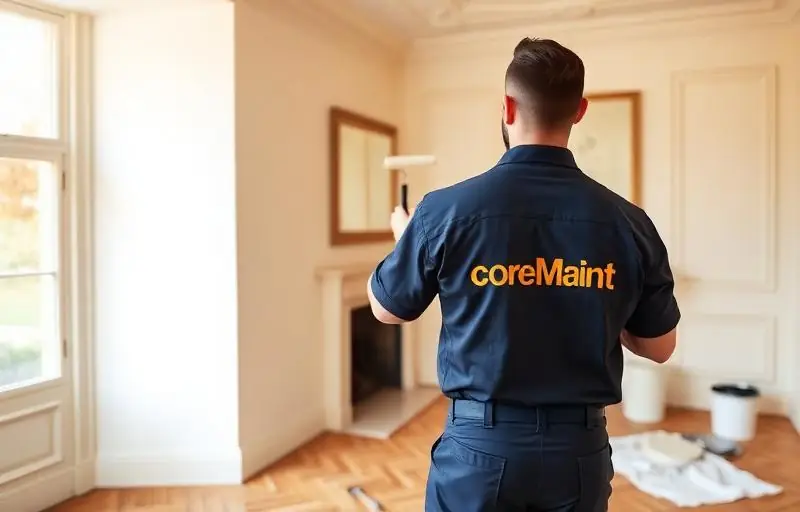
A large share of London's rented flats sit inside Victorian and Edwardian terraces that were built as single houses and later divided into flats. They are popular with tenants — high ceilings, sash windows, original fireplaces — but they behave differently from modern blocks, and repairs that work in a new-build often fail in a period conversion.
This guide covers the recurring maintenance issues landlords of London period conversions face, and how to approach them.
Why period conversions behave differently
Most houses built before around the 1920s have solid brick walls rather than cavity walls, were built with lime mortar and lime plaster, and were designed to be ventilated by open fireplaces, draughty sash windows and suspended timber floors. Conversion into flats often sealed up many of those routes: fireplaces blocked, floors carpeted over, windows painted shut. The building now holds more moisture than it was designed for, and much of the maintenance on these flats comes back to managing that.
Condensation and mould
Condensation mould on cold external walls, window reveals and behind furniture is the most common complaint in period flats, especially in winter.
Practical steps:
- Check extractor fans actually work in the kitchen and bathroom and are vented to the outside. A fan that hums but moves no air is a frequent cause.
- Keep trickle vents or sash vents usable rather than painted or sealed shut.
- Leave a gap behind furniture on external walls, particularly wardrobes and beds.
- Treat mould properly: clean the affected area with a suitable mould treatment and repaint with a mould-resistant paint once the cause has been addressed. Painting over mould without fixing the moisture source only hides it for a few weeks.
Damp and mould are now a serious matter for landlords. If mould keeps returning or the cause is unclear, it is worth getting the property properly surveyed. The UK government publishes guidance on damp and mould in rented homes for landlords, and your local council's private housing team can advise on your obligations.
Painting on old plaster and brick
Standard modern emulsions and some masonry paints form a relatively impermeable film. On lime plaster or old brick that needs to "breathe", this can trap moisture and lead to flaking or bubbling paint. When redecorating a period flat:
- Identify whether walls are original lime plaster, modern gypsum patches, or plasterboard — many conversions have all three.
- Use breathable paints on original lime plaster and exposed masonry where appropriate.
- Fill cracks with a flexible filler; period buildings move with the seasons, so hairline cracks around ceilings and cornices commonly reappear.
- Take care with ornate cornices and ceiling roses — decades of paint build-up can hide the detail, and heavy-handed sanding can damage it.
See our painting and decorating services for how we approach period interiors.
Sash windows
Sash windows are a draw for tenants but a common source of complaints: draughts, rattles, windows painted shut or sash cords snapped.
- Check each window opens and closes safely, and that cords and locks are intact.
- Draught-proofing strips can often be fitted without replacing the window.
- If the building is in a conservation area or is listed, replacing sash windows may need consent from the council's planning department — always check before ordering replacements.
Floors and sound
Converted houses rarely have the sound insulation of purpose-built flats. Many leases on converted flats require floors to be carpeted or to meet a certain sound standard, and some ban hard flooring altogether. Before replacing carpet with laminate or LVT in an upper-floor flat, read the lease and check with the freeholder or managing agent. Our guide to flooring for London rentals covers the options.
Shared parts and the freeholder
In a converted house, the roof, gutters, external walls, and often the main drains belong to the freeholder, not the flat owner. A leak coming through a ceiling may be a freeholder repair. Knowing which repairs sit with you and which with the freeholder saves time and disputes — the lease is the document to check.
A simple seasonal routine
- Autumn: check gutters and downpipes (or ask the freeholder to), bleed radiators, test extractor fans.
- Winter: inspect external walls and window reveals for condensation mould; remind tenants about ventilation.
- Spring: touch up flaking paint, check sash operation and silicone seals.
- Between tenancies: a full refresh — see our 48-hour turnaround guide.
We look after period flats across London, from Greenwich and Blackheath to Chelsea and Kensington. Call 020 3488 1913 or request a quote.