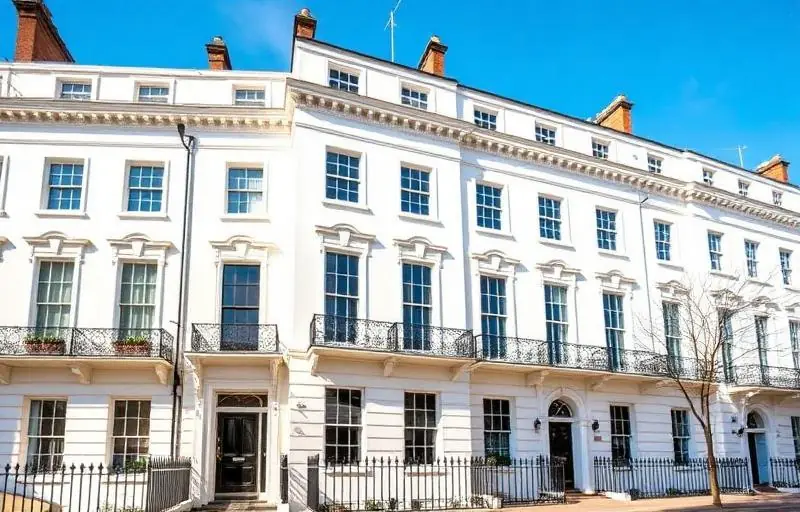
Belgravia is home to some of the world’s most iconic residential architecture. From the grand, white-stucco terraces of Eaton Square to the charming exposed-brick mews houses tucked away behind Elizabeth Street, these properties represent the pinnacle of 19th-century Georgian and Victorian craftsmanship. However, maintaining the structural integrity and aesthetic prestige of a Belgravia townhouse requires more than just a standard builder; it demands a deep understanding of traditional materials, specifically the critical relationship between historic brickwork and lime mortar.
For homeowners in Central and South London, brick repointing is often viewed as a purely cosmetic exercise. In reality, it is a vital preservation technique. When the mortar between bricks begins to crumble, crack, or—worst of all—is replaced with modern cement, the very fabric of the building is at risk. Damp penetration, spalling brickwork, and structural instability can quickly devalue a premium asset.
At coreMaint, we specialize in the sympathetic restoration of period properties across Kensington, Chelsea, and Belgravia. In this guide, we will explore why lime mortar is non-negotiable for historic townhouses, the signs that your property needs professional attention, and the meticulous process required to restore these architectural masterpieces to their former glory.
The Science of Lime Mortar vs. Modern Cement
One of the most common mistakes made during the renovation of Central London townhouses is the use of modern Portland cement. While cement is strong and fast-setting, it is fundamentally incompatible with the soft, porous bricks used in the 18th and 19th centuries.
Why Breathability Matters
Historic bricks, such as London Stocks, are designed to "breathe." They absorb moisture from the air and the ground, which then evaporates through the mortar joints. Lime mortar is "sacrificial" and permeable; it allows moisture to escape easily.
In contrast, modern cement is non-permeable. When cement is used on a Belgravia townhouse:
- Moisture Trap: Water becomes trapped behind the hard cement.
- Freeze-Thaw Damage: In winter, this trapped water freezes and expands, causing the face of the brick to crack and fall off—a process known as "spalling."
- Internal Damp: The moisture that cannot escape outward will eventually travel inward, damaging expensive interior decorations and plasterwork.
Flexibility and Movement
Belgravia was largely built on the Grosvenor Estate over two centuries ago. Over time, these massive structures settle. Lime mortar is slightly flexible, allowing for minor movements without cracking the bricks. Cement is rigid; when the building moves, the stress is transferred directly to the bricks, leading to structural fractures.
Signs Your Belgravia Townhouse Needs Repointing
Maintaining a property in a high-value area like Knightsbridge or Belgravia requires a proactive approach. Waiting for a leak to appear often means the damage is already extensive. Look for these warning signs:
- Gaps and Recesses: If the mortar has receded more than 5mm-10mm from the brick face, it is no longer providing adequate protection.
- Efflorescence: A white, powdery salt deposit on the brickwork indicates that moisture is being drawn through the wall improperly.
- Soft or Sandy Mortar: If you can scrape the mortar away easily with a fingernail or a key, it has reached the end of its lifespan.
- Inappropriate Past Repairs: Look for "ribbon pointing" or hard grey cement smeared over the joints. This is a red flag that a previous contractor used modern materials that are currently damaging your heritage brickwork.
If you notice any of these issues, it is essential to seek professional advice. Get a Free Quote from our heritage specialists to assess the condition of your masonry.
The coreMaint Process: Professional Repointing Standards
Repointing a Grade II listed building or a property in a Conservation Area requires a level of detail that standard contractors often overlook. At coreMaint, we follow a rigorous process to ensure the longevity of your home.
1. Preparation and Raking Out
We never use power tools or angle grinders on historic brickwork. These tools frequently nick the edges of the bricks, causing permanent "arris" damage. Instead, our craftsmen use hand chisels to carefully remove the old, failing mortar to a depth of roughly 20mm-25mm, ensuring a clean square face for the new mortar to bond with.
2. Matching the Original Mortar
No two Belgravia terraces are exactly alike. We analyze the original mortar to match the color, texture, and aggregate size. This often involves blending specific sands with lime putty or Natural Hydraulic Lime (NHL) to ensure the repair is invisible and historically accurate.
3. Application and Finishing
The mortar is applied in layers and firmly "ironed" into the joints. The finish is critical for the aesthetic of the street.
- Flush Pointing: Common in Georgian architecture.
- Weather Struck: Designed to shed water away from the joint.
- Tuck Pointing: A highly specialized technique often seen in the finest London townhouses, where a thin line of contrasting "putty" is applied to give the illusion of perfectly uniform, expensive gauged brickwork.
The Economic Value of Proper Maintenance
Investing in high-quality lime repointing is not just about aesthetics; it is about protecting your investment. Belgravia remains one of the most expensive real estate markets in the world. Buyers in this bracket are increasingly savvy about "renovation debt." A property with visible cement repairs or damp issues will often see a reduction in valuation far exceeding the cost of the repairs themselves.
- Longevity: A professional lime repointing job can last 50 to 100 years.
- Energy Efficiency: By keeping the thermal mass of the wall dry, you improve the natural insulation properties of the building.
- Regulatory Compliance: Most properties in Belgravia are subject to strict planning controls. Using incorrect materials can lead to enforcement notices from the City of Westminster.
If you are unsure about the requirements for your specific street, Contact Us for expert guidance on local conservation standards.
Practical Tips for London Homeowners
If you are planning a restoration project this year, keep these practical points in mind:
- Timing is Key: Lime mortar is sensitive to temperature. It should not be applied in the height of summer (as it dries too fast and cracks) or in the dead of winter (as frost can shatter the wet mortar). Spring and Autumn are the ideal windows for repointing work in London.
- Check the Heritage Status: Always check if your property is Grade I or Grade II listed. If so, you will likely need Listed Building Consent before changing the appearance of the masonry.
- Don't Forget the Chimneys: Chimney stacks are the most exposed part of your house. They often require repointing sooner than the rest of the facade due to their vulnerability to wind and rain.
- Clean Before You Point: If your bricks are covered in soot or atmospheric pollutants, professional steam cleaning (such as the DOFF system) should be performed before repointing to ensure a perfect color match.
Why Choose coreMaint for Your Belgravia Property?
At coreMaint, we understand the unique pressures of managing luxury property in Central and South London. We provide a seamless service that respects the quiet enjoyment of your home while delivering world-class craftsmanship.
Our team is experienced in working within the constraints of the Grosvenor and Cadogan Estates, ensuring that all work meets the highest possible standards of heritage conservation. From initial survey to the final brush-down, we treat your townhouse with the care it deserves.
Whether you own a grand residence in Knightsbridge or a boutique townhouse in Greenwich, our brickwork and lime mortar services will ensure your property remains dry, stable, and visually stunning for decades to come.
Protect Your Heritage Today
Don't let improper materials compromise the structural integrity of your home. Trust the experts who understand the history and the science of London’s finest buildings.