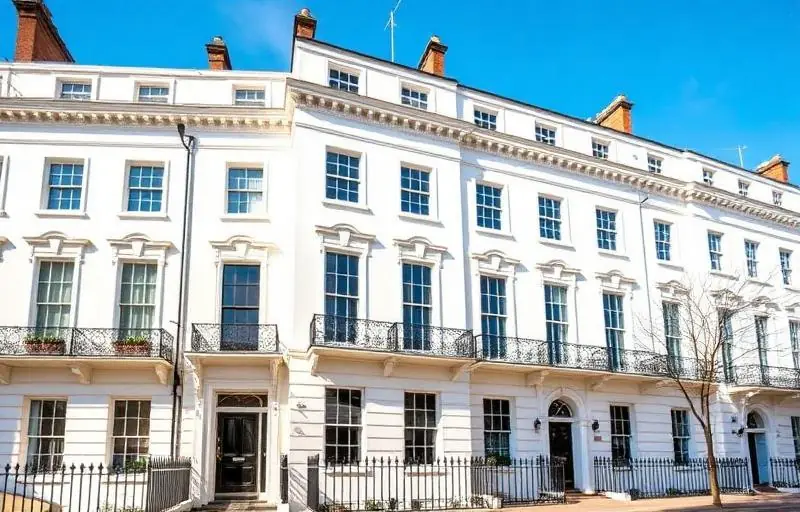
Navigating the architectural landscape of Central London is a journey through history. From the stucco-fronted terraces of Belgravia to the iconic red-brick mansions of Chelsea, the Royal Borough of Kensington and Chelsea (RBKC) boasts some of the most stringent and prestigious conservation area regulations in the world. For property owners, a refurbishment in these districts is not merely a renovation; it is a custodial responsibility.
Maintaining a period property in Kensington or Knightsbridge requires a delicate balance between preserving 19th-century charm and integrating 21st-century luxury. With over 70% of the Royal Borough designated as conservation areas, the margin for error is slim. Whether you are looking to restore original sash windows or modernise a lower-ground floor kitchen, understanding the intersection of heritage planning and high-end construction is essential.
At coreMaint, we specialise in providing premium property maintenance and refurbishment services tailored to these specific demands. This guide explores the complexities of refurbishing homes within South and Central London’s conservation areas, offering actionable advice to ensure your project enhances both the heritage value and the market price of your asset.
Understanding Conservation Area Constraints in RBKC
A conservation area is an area of "special architectural or historic interest," where the character or appearance is protected by law. In districts like Chelsea and Mayfair, this means that standard "permitted development rights" are often restricted or removed entirely via Article 4 Directions.
The Role of Heritage Planning
Before a single hammer swings, you must understand the local authority's vision. The RBKC planning department is famously rigorous. They look for "sympathetic" changes that preserve the rhythm of the streetscape. This often involves:
- Material Matching: Using reclaimed London Stock brick or lime mortar that matches the original 19th-century composition.
- Fenestration: Strict requirements for timber-framed, double-hung sash windows, often requiring slimline vacuum glazing to meet thermal standards without compromising the profile.
- Rooflines: Restrictions on dormer extensions or visible solar panels that might disrupt the historic skyline.
Listed Buildings vs. Conservation Areas
It is a common misconception that "conservation area" and "Listed" are the same. While a conservation area protects the neighbourhood's character, a Listing (Grade II or II*) protects the specific building, including its interior features. If your property in Kensington is Listed, you will need Listed Building Consent for almost any internal change, including moving partition walls or replacing floorboards.
Strategic Planning for a Successful Refurbishment
Success in a South London conservation refurbishment is 90% preparation. Rushing into the construction phase without the correct permissions can lead to enforcement notices, heavy fines, and the requirement to undo expensive work.
1. Conduct a Heritage Impact Assessment
For significant refurbishments in Mayfair or Chelsea, a Heritage Impact Assessment (HIA) is often required. This document explains why the property is significant and how your proposed changes will "preserve or enhance" its character. Working with a specialist who understands the local history of your specific street can significantly smoothen the planning process.
2. The Importance of Professional Surveys
Period properties in Central London often hide structural surprises. Victorian and Edwardian terraces are prone to damp issues due to non-breathable modern paints, or structural settling caused by historic blitz damage or nearby underground excavations. A comprehensive building survey by coreMaint ensures that your budget accounts for structural integrity before aesthetic finishes are applied. Contact Us to discuss an initial site survey.
3. Engaging with Neighbours
In high-density areas like Knightsbridge, party wall agreements are a major hurdle. If your refurbishment involves work on shared walls or excavations for a basement or extension, you must serve notice to your neighbours. Proactive communication can prevent costly legal delays.
Practical Tips for Premium Heritage Refurbishments
When refurbishing a luxury property, the goal is to add modern convenience without stripping the soul of the building. Here is how to handle the most common refurbishment elements:
Restoration of Original Features
- Plasterwork: Avoid modern gypsum plaster. Use traditional lime plaster and restore intricate cornices and ceiling roses using moulds taken from the originals.
- Joinery: Restore rather than replace. If doors or shutters are beyond repair, have them replicated by a master joiner using traditional techniques.
- Flooring: Reclaimed Versailles parquet or wide-plank oak can ground a room in history while providing a high-end feel.
Integrating Modern Technology
The challenge in Chelsea homes is often hiding the "new."
- Invisible HVAC: Use high-velocity mini-duct systems that can be hidden behind cornices or under floorboards, avoiding the need for bulky bulkheads.
- Smart Home Hubs: Centralise AV and lighting controls in a single hidden rack, using wireless switches that mimic traditional brass or bronze toggles.
- Insulation: Use breathable wood-fibre insulation on internal walls to improve thermal performance without causing the damp issues associated with modern PIR boards in old masonry.
External Aesthetics and Curb Appeal
The exterior is what the council cares about most. Ensure your "front of house" maintenance is impeccable:
- Tuck Pointing: Use traditional lime-based pointing to allow the brickwork to breathe.
- Ironwork: Repaint railings in "Sanderson Black" or "Deep Brunswick Green," common to the Royal Borough, ensuring all rust is treated with specialized inhibitors.
- Lighting: Choose high-quality, period-appropriate lanterns with warm-spectrum LEDs to enhance the evening facade.
Navigating the Logistics of Central London Sites
Refurbishing a property in Greenwich or Mayfair presents logistical challenges that rural projects do not. Street narrowness, parking permits (Suspensions), and skips can become major overheads.
- Parking and Permits: RBKC and Westminster have strict rules on skip placement. Often, "wait and load" services are more cost-effective than long-term skip permits.
- Noise Restrictions: Most Central London boroughs restrict noisy work to 8:00 AM – 6:00 PM on weekdays, with no noisy work allowed on weekends or bank holidays.
- Waste Management: In a conservation area, sustainability is increasingly prioritized. Ensure your contractor has a robust plan for recycling construction waste, which is often a condition of modern planning approvals.
Why Specialist Maintenance Matters Post-Refurbishment
A refurbishment in Kensington is an investment that requires ongoing protection. The materials used in heritage buildings—lime, timber, lead, and stone—react differently to the environment than modern synthetics.
Standard property maintenance companies often apply "quick fix" solutions that can damage period properties over time (such as using silicone sealants where breathable mastic is required). Specialist maintenance ensures that the high-standard finish achieved during refurbishment is preserved for decades.
Key Maintenance Milestones:
- Annual Gutter and Leadwork Inspection: Preventing water ingress is the single most important factor in preserving a London terrace.
- Sash Window Servicing: Re-balancing weights and replacing frayed cords every few years prevents frame warping.
- Stone Cleaning: Professional steam cleaning (DOFF system) for Portland stone facades to remove London pollution without damaging the stone's "face."
Conclusion: Partnering with coreMaint
Refurbishing a property within the conservation areas of Chelsea, Kensington, and Mayfair is a complex but rewarding endeavour. It requires a deep respect for the past and a sophisticated understanding of modern luxury standards. By navigating the planning process diligently and employing craftsmen who understand heritage materials, you can create a home that is both a sanctuary and a sound financial investment.
At coreMaint, we provide the expert oversight and premium craftsmanship required for these high-stakes projects. From initial consultations and navigating planning hurdles to the final bespoke finishes, our team is dedicated to maintaining the architectural integrity of South and Central London’s finest postcodes.
Ready to start your refurbishment journey? Get a Free Quote today or Contact Us to speak with one of our property specialists about your upcoming project. Let us help you preserve the history of your home while building its future.