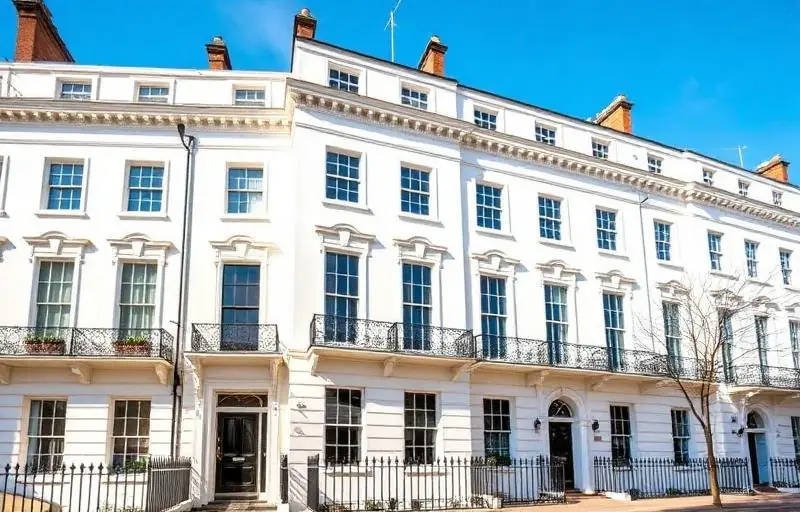
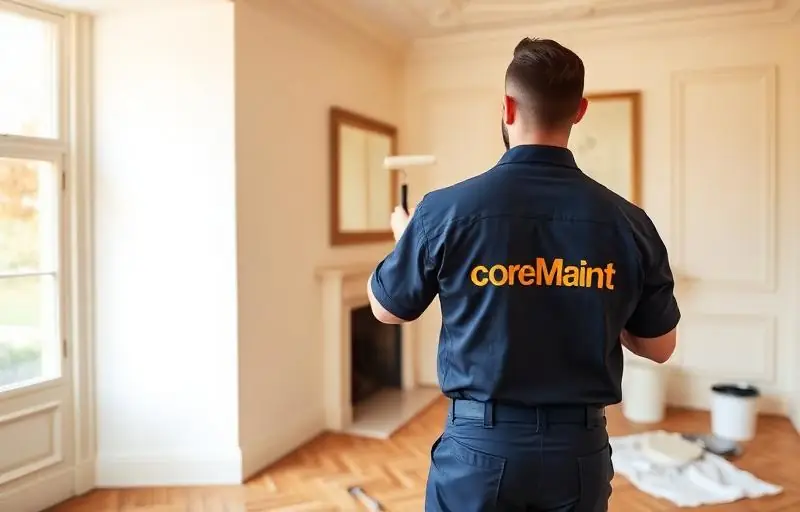
From the stuccoed terraces of Belgravia to the iconic red-brick townhouses of Chelsea, London’s historic architecture is world-renowned. However, maintaining these heritage properties requires more than just a standard coat of masonry paint. As experts in premium property maintenance, coreMaint has seen a significant shift in how homeowners in Central and South London approach restoration. The modern trend is actually a return to tradition: the use of limewash and mineral paints.
Unlike modern synthetic paints, which act like a plastic film over a building, limewash and mineral paints are "breathable." For period homes in areas like Kensington and Mayfair, where dampness can be a persistent issue due to the city’s clay soil and Victorian construction methods, choosing a breathable finish is not just an aesthetic choice—it is a structural necessity. Using the wrong materials can lead to trapped moisture, crumbling masonry, and the degradation of the very character you seek to preserve.
In this guide, we will explore why limewash and mineral paints are the gold standard for London’s period properties, how they differ, and what you need to know before embarking on your next renovation project.
Why Breathability Matters for London’s Heritage Properties
Most modern paints are film-forming. They create an airtight seal over the brick or plaster. While this sounds protective, it is often disastrous for older buildings. Victorian and Georgian properties were designed to "breathe," allowing moisture to move freely through the walls and evaporate from the surface.
When a non-breathable acrylic paint is applied to a home in Greenwich or Knightsbridge, moisture becomes trapped behind the paint layer. Over time, this causes the paint to bubble, peel, and eventually force the face off the brickwork—a process known as "spalling."
The Science of Mineral Bonds
Limewash and mineral paints work through a process called silicification or carbonation. Instead of sitting on top of the surface, they bond chemically with the substrate. This creates a finish that is:
- Highly Permeable: Allows water vapour to escape, preventing internal damp and mould.
- UV Resistant: Unlike oil-based paints, mineral pigments do not fade in the sun.
- Naturally Antibacterial: The high pH level of lime naturally resists mould and algae growth.
Get a Free Quote for your period property restoration today.
Limewash: The Traditional Choice for a Soft, Luminous Finish
Limewash is one of the oldest decorative finishes in the world, consisting of crushed limestone that has been burnt and slaked with water. For homeowners in Central London looking for that authentic, matte, and slightly translucent look, nothing beats it.
The Aesthetic Appeal
Limewash is famous for its "glow." Because it is made of tiny crystals, it refracts light differently than flat modern paints. As it ages, it develops a beautiful patina that looks better year after year. It is particularly popular for internal feature walls in Kensington apartments or external facades in Chelsea.
Application Challenges
Applying limewash is a craft. It requires multiple thin coats, and the colour often looks terrifyingly transparent when wet, only reaching its true opacity as it dries. Because it is a natural product, weather conditions during application are critical. In the humid London climate, the "cure" time must be carefully managed to prevent the wash from drying too quickly and dusting off.
Mineral Paints: The Durable Alternative
While limewash is beautiful, it is also delicate. For high-traffic areas or external walls exposed to heavy London pollution, silicate mineral paints (often referred to as Keim or Beeck paints) are an excellent alternative. Invented in the 19th century, these paints combine the breathability of lime with the durability of modern coatings.
Why Choose Mineral Paint?
- Longevity: A high-quality mineral paint application can last 20–30 years, far outperforming standard masonry paint.
- Vibrant Colours: While limewash is limited to earthy, pale tones, mineral paints offer a wider palette without sacrificing breathability.
- Pollution Resistance: In busy areas like Mayfair or near the Thames in Greenwich, mineral paints resist the buildup of soot and grime better than traditional washes.
Ideal Use Cases
We often recommend mineral paints for the exterior of townhouses where the homeowner wants a specific colour match to historical "London Stock" brick or a crisp, uniform finish that can withstand the elements.
Contact Us to discuss which finish is right for your home.
Practical Tips for Your Restoration Project
If you are considering upgrading your property’s finish, there are several technical factors to consider. A successful application is 90% preparation.
1. Removing Old Layers
You cannot apply limewash or mineral paint over existing acrylic or oil-based paints. They will not bond. The existing layers must be stripped back to the original masonry using gentle methods like DOFF steam cleaning or chemical stripping. This is a meticulous process that coreMaint specialises in to ensure the underlying brickwork is not damaged.
2. Matching the Mortar
If you are repointing your London home before painting, you must use lime mortar. Using cement mortar with a breathable paint is counterproductive, as the cement will block the moisture path, leading to cracks at the joints.
3. Consider the "London Climate"
London’s weather is notoriously unpredictable.
- Spring/Autumn: The best time for application.
- Avoid Frost: Lime products cannot be applied if there is a risk of frost within 48 hours.
- Avoid Direct Sun: Extreme heat (rare as it may be in London) can cause mineral paints to dry too fast, leading to streaks.
4. Cost vs. Value
It is true that mineral paints and limewash have a higher upfront cost than hardware-store acrylics. However, when you factor in the lifecycle of the product—lasting three times longer and protecting the structural integrity of your South London heritage asset—the ROI is significantly higher.
Protecting Your Investment in London’s Prime Real Estate
Maintaining a property in Knightsbridge or Kensington is about stewardship. These buildings have stood for centuries, and our role as owners and maintenance professionals is to ensure they stand for centuries more.
Using breathable, natural finishes is the most effective way to prevent the long-term decay associated with "sealed" buildings. Beyond the structural benefits, the aesthetic result is undeniable. A period home treated with traditional mineral finishes has a depth of colour and a texture that synthetic paints simply cannot replicate.
Summary of Benefits:
- Structural Health: Eliminates trapped moisture and damp.
- Sustainability: Mineral paints are eco-friendly and contain no VOCs (Volatile Organic Compounds).
- Historical Accuracy: Maintains the Grade II listed requirements often found in Central London.
- Aesthetic Value: Provides a premium, matte finish that enhances architectural details.
Expert Property Maintenance with coreMaint
At coreMaint, we understand the unique challenges of maintaining premium properties in Central and South London. Our team of skilled decorators and masonry experts are trained in the application of traditional limewash and high-performance mineral paints. Whether you are looking to refresh a stucco terrace in Belgravia or restore the interior lime plaster of a Greenwich Victorian, we provide the expertise needed to do the job right.
Don't let your heritage property suffer from modern "quick-fix" solutions. Choose a finish that breathes with your building and stands the test of time.
Ready to transform your home with a breathable, beautiful finish?
Get a Free Quote or Contact Us today to schedule a consultation with our London property experts. Let coreMaint help you preserve the history and beauty of your London residence.