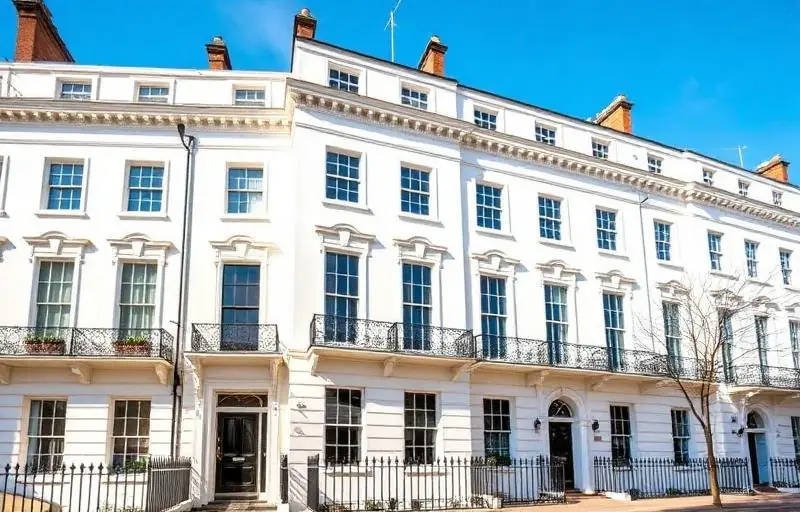
Walking through the tree-lined streets of Chelsea or the grand garden squares of Kensington, it is impossible not to be captivated by the architectural elegance of the Georgian, Victorian, and Edwardian eras. At the heart of this aesthetic appeal are the iconic timber sash windows. More than just functional openings, these windows are the "eyes" of London’s most prestigious period properties, defining the character of the Royal Borough and contributing significantly to the heritage value of these neighborhoods.
However, owning a period home in Central London comes with a unique set of responsibilities. Years of exposure to the British elements, combined with the structural shifts inherent in historic buildings, can lead to windows that are draughty, rattled, or seized shut by decades of over-painting. For homeowners in Mayfair or Knightsbridge, the challenge lies in balancing the desire for modern thermal efficiency and acoustic insulation with the strict conservation regulations that protect our city’s skyline.
Restoring these architectural treasures requires a delicate blend of traditional craftsmanship and modern technology. At coreMaint, we understand that a "one size fits all" approach doesn't work for a Grade II listed property in Kensington. This comprehensive guide explores the intricacies of sash window restoration, helping you preserve the legacy of your home while enhancing your daily comfort.
The Anatomy of a Classic London Sash Window
Before embarking on a restoration project, it is essential to understand why these windows were designed the way they were. The traditional box sash operates on a system of weights and pulleys, hidden within the frame (the "box"). This design allowed for excellent ventilation in an era before air conditioning, but it also creates numerous points where wear and tear can occur.
Identifying Common Issues in Period Properties
Properties in Central and South London often face specific environmental challenges. Increased pollution levels and the vibrations from heavy city traffic can accelerate the degradation of timber and putty.
- Timber Rot: Usually found in the bottom rail and sills where water settles.
- Failed Putty: Over time, the linseed oil putty that holds the glass becomes brittle and falls away, leading to water ingress.
- Broken Cords: The internal weights can become disconnected, making the window dangerous to operate.
- Paint Build-up: Often, sash windows in Chelsea rentals have been painted shut, preventing the natural airflow the house was designed for.
The Restoration Process: Precision and Preservation
Restoring a sash window is significantly more sustainable and often more cost-effective than a full replacement. Furthermore, in many conservation areas across Greenwich and Kensington, replacing original timber with uPVC is strictly prohibited. A professional restoration by coreMaint ensures your home remains compliant with local planning laws.
1. Assessment and Dismantling
The process begins with the careful removal of the staff beads and the sash leaves themselves. We examine the condition of the "pockets" where the weights sit and check the integrity of the pulley wheels. In many Mayfair townhouses, we find original lead weights that are perfectly functional but require re-balancing to account for new, thicker glass.
2. Timber Repair and Resin Stabilization
We believe in preserving as much original fabric as possible. Rather than replacing entire frames, we use high-performance architectural resins to stabilize softened wood. If a section is beyond repair—common in the exposed windows of South London villas—we perform "splice repairs" using sustainably sourced Accoya® or seasoned hardwood that matches the original grain and profile.
3. Draught-Proofing: The Modern Essential
One of the most frequent complaints from residents in Kensington and Chelsea is the "rattle" of windows during a London gale. During restoration, we install discreet brush strips into the staff and parting beads. This eliminates rattles, reduces dust ingress, and significantly cuts down on heat loss without altering the window's appearance.
Enhancing Thermal and Acoustic Performance
Living in the heart of London means dealing with the constant hum of the city. While original single glazing offers authentic reflections, it does little to block the noise of the King's Road or the wind whistling off the Thames in Greenwich.
Slimline Double Glazing
For many period homes, we can now retrofit "slimline" double glazing into existing sashes. These units are filled with inert gases like Krypton or Xenon, providing the thermal benefits of modern windows while remaining thin enough to fit into a traditional sash profile. This is an excellent way to upgrade a Chelsea home's EPC rating without losing its soul.
Acoustic Glass Upgrades
If your property is situated on a busy thoroughfare in Knightsbridge or Mayfair, acoustic laminated glass is a game-changer. By using glass of varying thicknesses, we can interrupt sound waves, reducing external noise by up to 35-40 decibels. This transforms a draughty period room into a quiet, sanctuary-like space.
Why Professional Maintenance Matters in Central London
Attempting a DIY repair on a sash window often leads to more harm than good. The weight-to-counterweight ratio is a precise science; if the glass is changed without adjusting the lead weights, the window will not stay open or will crash down unexpectedly.
Furthermore, the aesthetic finish of a period home in a prime location like Kensington demands a professional touch. The "brush-mark-free" finish achieved by professional decorators using high-grade microporous paints ensures the timber can breathe, preventing the cycle of rot from starting again.
The Benefits of Restoration Over Replacement:
- Planning Compliance: Avoid fines and enforcement notices from local councils.
- Property Value: Original features are a key selling point in the premium London market.
- Sustainability: Repairing timber has a significantly lower carbon footprint than manufacturing new frames.
- Cost: Restoration typically costs 30-50% less than a full bespoke replacement.
Maintaining Your Restored Windows
Once your windows have been expertly restored by the coreMaint team, a small amount of regular upkeep will ensure they last for another century.
- Annual Inspection: Check the sills for any signs of paint cracking, which could allow moisture to reach the wood.
- Cleaning the Tracks: Keep the channels free of dust and debris to prevent the sashes from sticking.
- Waxing the Pulley: A small amount of beeswax or silicone spray on the pulley wheels once a year keeps the motion smooth.
If you are unsure about the current state of your windows, it is always best to seek expert advice early. Small repairs today prevent expensive structural failures tomorrow. Get a Free Quote from our specialist team to assess your property's needs.
Partner with coreMaint for Your Period Home
At coreMaint, we specialize in the premium maintenance of London’s most prestigious postcodes. From the stucco-fronted terraces of South Kensington to the red-brick manors of Chelsea, our craftsmen bring decades of experience to every project. We understand that we aren't just working on a building; we are preserving a piece of London’s history.
Our comprehensive sash window service includes everything from cord replacement and draught-proofing to full timber restoration and specialized painting. We pride ourselves on a clean, unobtrusive service that respects the privacy and standards of our Central and South London clientele.
Ready to bring the elegance and efficiency back to your period home? Contact Us today to schedule a consultation with one of our restoration experts and ensure your property remains a beacon of London heritage for generations to come.