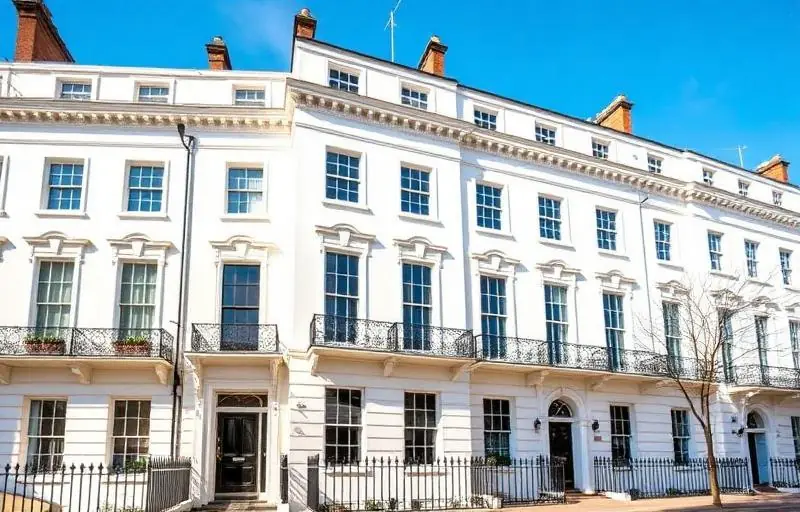
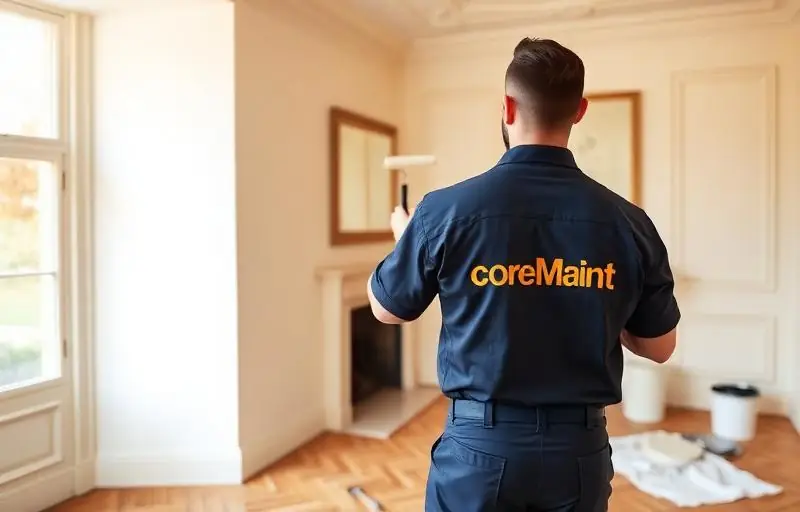
In the architectural landscape of Central and South London, few features command as much presence as the grand entrances and interior woodwork of a period townhouse. From the stucco-fronted terraces of Kensington to the Georgian splendors of Mayfair, doors and their accompanying architraves serve as the primary transition points of a home. They are not merely functional barriers; they are structural statements of history, craftsmanship, and prestige. However, the passage of time—coupled with London’s unique humidity and the inevitable settling of historic foundations—can leave these features looking tired, warped, or stripped of their original detail.
Restoring these elements requires a delicate balance of traditional craftsmanship and modern material science. For homeowners in prestigious postcodes like Chelsea and Knightsbridge, "making do" with a simple coat of paint is rarely enough. True restoration involves stripping back decades of neglect to reveal the intricate profiles of the timber beneath, repairing structural integrity, and finishing with a level of precision that matches the home’s heritage. At coreMaint, we understand that maintaining a London townhouse is an act of stewardship, ensuring these architectural gems remain as impressive today as they were in the 19th century.
The Significance of Architraves in Period Properties
While the door often takes center stage, the architrave—the decorative molding that frames the door opening—is the unsung hero of interior design. In Victorian and Edwardian architecture, the complexity of an architrave was often a signifier of the room’s importance. Grand reception rooms in Greenwich or Mayfair might feature multi-tiered, deep-profile moldings, while upper-floor bedrooms utilized simpler designs.
Understanding the Structural Role
Beyond aesthetics, architraves serve a vital structural purpose. They hide the joint between the wall finish (often lath and plaster in older London homes) and the door frame. Over decades, London’s clay-heavy soil causes subtle shifts in a building's foundation. This often results in "racking," where door frames become slightly trapezoidal rather than rectangular. A professional restoration addresses these alignment issues, ensuring that the architrave remains flush and the door operates smoothly.
Common Issues in London Townhouses
- Paint Clogging: Over 100+ years, dozens of layers of lead-based and modern gloss paints can fill in the delicate "quirks" and beads of a molding, turning a sharp architectural feature into a rounded, indistinct lump.
- Dry Rot and Damp: Properties near the Thames or those with aging brickwork often suffer from moisture ingress, which can settle in the lower sections of door jambs and architraves.
- Impact Damage: As high-traffic areas, these features frequently suffer from chips, dents, and cracks from decades of furniture movement and daily use.
The Professional Restoration Process
Restoring a door and its surrounding woodwork is a labor-intensive process that requires patience and an eye for detail. Whether you are looking to revitalize a heavy mahogany front door in Kensington or the internal pine doors of a Chelsea terrace, the process remains rooted in quality preparation.
1. Stripping and Surface Preparation
The first step is the removal of old finishes. While DIY enthusiasts might reach for a heat gun, professionals often use a combination of infrared stripping and specialized chemical poultices. Infrared heat is preferred for London townhouses as it operates at a lower temperature than standard heat guns, minimizing the risk of scorching the ancient timber and reducing the vaporization of lead found in historic paint layers.
2. Timber Repair and Stabilization
Once the bare wood is exposed, the true condition of the door and architrave is revealed. We often find "shakes" (natural splits in the wood) or historical repairs that have failed.
- Dutchman Repairs: Instead of using wood filler, which can shrink and fall out, we use "Dutchman" repairs—inlaying new pieces of matching seasoned timber into the damaged areas for a seamless, structural fix.
- Resin Injection: For minor cracks, high-performance conservation resins are used to bond the fibers of the wood together, providing a flexible yet permanent repair.
3. Precision Sanding
Achieving a "mirror finish" on a door requires progressive sanding. We begin with coarser grits to level the surface and move to ultra-fine grits. In South London homes where natural light is a key feature, any imperfection in the sanding will be highlighted by the sun, making this stage critical for a premium result.
Finishing Touches: Paint, Polish, and Hardware
The choice of finish is what ultimately protects the wood from London’s urban environment and fluctuating indoor temperatures.
Selecting the Right Finish
For many Mayfair and Knightsbridge residents, a high-gloss "London Door" finish is the gold standard for exteriors. This involves multiple coats of high-build enamel paint, with hand-sanding between each layer. For interior woodwork, we often recommend:
- Satin or Eggshell Finishes: These provide a sophisticated, low-sheen look that hides fingerprints and reflects light softly.
- Hardwax Oils: If the timber is a high-quality hardwood like oak or walnut, a clear oil can highlight the grain while providing durable protection.
The Importance of Period-Correct Hardware
A restoration is incomplete without the right ironmongery. Replacing cheap, modern handles with authentic brass, bronze, or nickel recreations can transform the feel of a room. In Greenwich and Chelsea, where Georgian and Victorian styles dominate, selecting the correct rim locks, beehive knobs, or escutcheons is essential for maintaining the property's valuation and historical integrity.
Maintenance Tips for London Homeowners
Once your doors and architraves have been restored by a professional, a small amount of preventative maintenance will ensure they stay in peak condition for years to come.
- Monitor Humidity: London’s weather can be damp. Use a dehumidifier in the winter months to prevent timber from swelling, which can cause doors to stick or paint to crack at the joints.
- Clean with Care: Avoid harsh chemical cleaners. A lightly dampened microfiber cloth is usually all that is needed to remove dust from the crevices of a complex architrave.
- Lubricate Hinges: Period doors are often exceptionally heavy. A drop of high-quality machine oil on the hinges once a year prevents sagging and reduces wear on the timber frame.
- Inspect Exterior Seals: For front doors, check the weather stripping and the threshold seasonally. If water is allowed to sit at the base of the door, it will eventually wick into the end grain, leading to rot.
Why Invest in Professional Restoration?
According to recent UK heritage property surveys, well-maintained original features can add as much as 5-10% to the value of a period home. In the competitive real estate markets of Central London, buyers look for authenticity. A poorly executed "quick fix" can actually detract from a home's value, as savvy buyers will factor in the cost of stripping back botched paint jobs.
Furthermore, the environmental impact of restoration is significantly lower than replacement. Most original London doors were crafted from "old-growth" timber, which is far denser and more rot-resistant than anything available in modern hardware stores today. By restoring these elements, you are preserving a piece of London's history while opting for a sustainable renovation choice.
Conclusion: Elevate Your Home with coreMaint
Restoring the doors and architraves of a London townhouse is an investment in both beauty and longevity. It requires a deep understanding of architectural history, a mastery of traditional tools, and a commitment to using the finest modern materials. Whether you are looking to restore a single statement entrance or undertake a full-house woodwork refurbishment, the details matter.
At coreMaint, we specialize in the premium maintenance and restoration of luxury properties across Chelsea, Greenwich, Kensington, Knightsbridge, and Mayfair. Our team of skilled craftsmen understands the unique challenges of London’s historic buildings and delivers finishes that meet the highest standards of excellence.
Ready to bring the grandeur back to your property’s woodwork?
Get a Free Quote today to discuss your restoration project, or Contact Us to learn more about our comprehensive property maintenance services for Central and South London’s most prestigious homes.